Transgenerational Trauma: How the Past Lives On in the Body
Transgenerational trauma (also known as intergenerational trauma) refers to emotional and physiological patterns of distress that are passed down through families and across generations. It is not simply a story we inherit; it is something that can live in the nervous system, shaping how we respond to stress, safety, relationships, and the world around us.
Research in the field of epigenetics has shown that trauma can influence gene expression, meaning that the effects of overwhelming experiences may be biologically transmitted to descendants. A well-known study by Ressler in 2013 demonstrated this through Pavlovian conditioning experiments with animals. When one generation learned to associate a previously pleasant scent with danger, later generations—who had never been exposed to the original threat—still showed fear responses when encountering the same smell. This suggested that the body can carry memory across generations, even without conscious awareness.
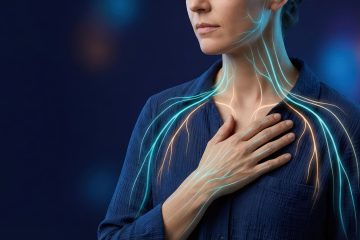
Trauma Is Held in the Body, Not Just the Mind
From a body-mind perspective, trauma is not defined only by what happened in the past, but by how the experience was received and stored in the nervous system. Unresolved shock, fear, and helplessness can become embedded patterns of tension, hypervigilance, collapse, or emotional disconnection.
Often, people say, “This is just the way I am.” While this may feel true, it can also reflect inherited survival strategies rather than our authentic, present-day self. Without awareness, these patterns may be repeated in relationships, parenting, health, and emotional regulation.
Ancestral Trauma and Collective History
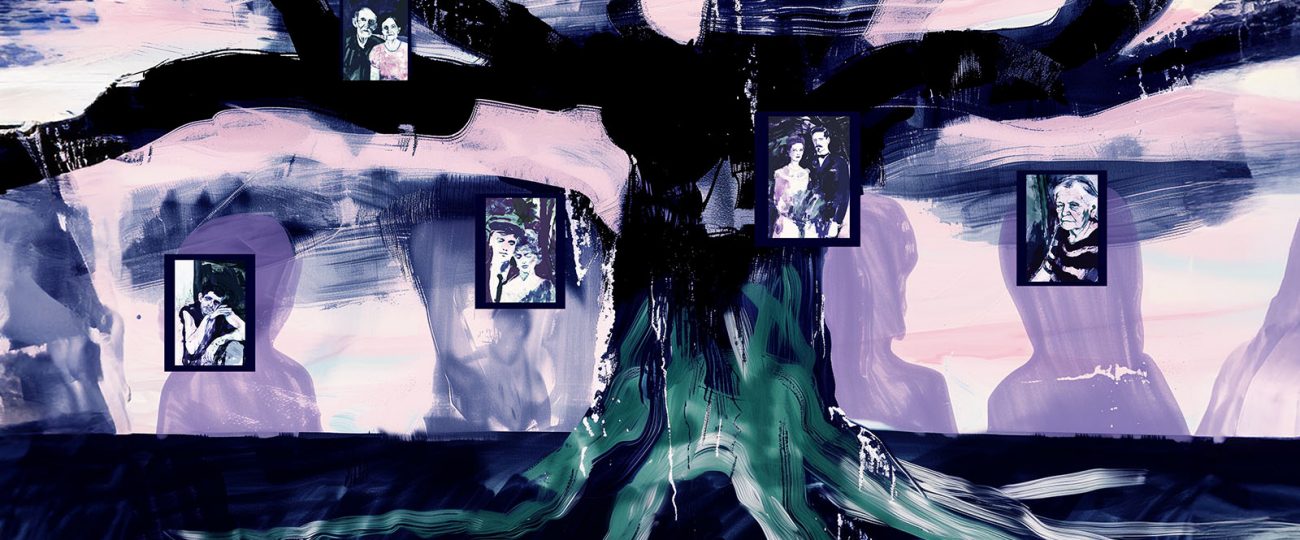
In therapeutic work, it sometimes becomes clear that what is emerging in the body does not belong solely to the individual’s personal life story. Descendants of enslaved peoples, Holocaust survivors, refugees, and communities affected by war, famine, or displacement may carry echoes of fear, grief, and loss that were never fully processed by previous generations.
In truth, all of us have ancestors, and all lineages contain both resilience and suffering. Some of what we inherit supports us; some of it may quietly shape our nervous system in ways that limit our sense of safety and ease.
Healing and Breaking the Cycle
The encouraging news is that transgenerational trauma is not a life sentence. Because these patterns live in the body, they can also be worked with in the body. Through gentle, trauma-informed, somatic approaches, it is possible to meet the nervous system in the present moment, release stored survival responses, and create new experiences of regulation, safety, and connection.
We do not always need to know the full story of what our ancestors endured. What matters is how the body is responding now. By listening to these responses with compassion and awareness, the cycle of inherited trauma can begin to soften, allowing future generations to live with greater freedom, stability, and emotional wellbeing.
Watch the video on this on the Hope for your Healing YouTube channel – click here.
Find our more about how therapies at the Grange can help you recover from your chronic pain condition: https://thegrangehealth.com/trauma-physio/