Music is Medicine: Embracing the Power of Sound and Vibration for Holistic Healing
Let music be your therapy. Within modern clinical spaces, including the NHS, disciplines like dance and movement psychotherapy have long recognized that healing is not strictly intellectual—it is deeply physical. In my own therapeutic practice, I frequently blend movement and music to help individuals safely navigate their healing journeys.
Music has been a constant thread throughout my life. Having studied its profound influence on human well-being, I have come to view it through a broader, more integrated lens. To truly understand how music heals, we must look at it from an energetic, somatic, and vibrational perspective.
The Physiology of Vibration and Pitch
Consider how a glass shatters when exposed to a specific sound frequency. It is not merely a matter of volume; it is about hitting the exact, precise pitch. When a physical tissue reaches its pure resonance, it naturally begins to vibrate. This biological reality means that every time we speak, listen, or are exposed to sound, our physiology is influenced in some way. The essential question we must ask as practitioners and individuals is: Is that impact therapeutic?
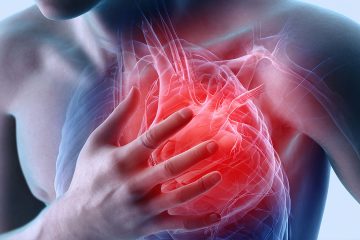
Historically, various cultures and alternative practices have explored how sound frequencies and specific hertz affect our biological systems. For instance, traditional Tibetan bowls are not randomly tuned; they are carefully aligned with the harmonic frequencies historically associated with the body’s energy centers, or chakras. While this may have once been viewed as unconventional, modern research is uncovering beyond empirical evidence that certain frequencies resonate directly with specific parts of our physiology, such as the heart. Organizations like HeartMath have dedicated significant research to exploring these exact connections, demonstrating how sound frequencies can positively shift our physiological coherence.
Tapping into the Nervous System: The Power of Vocalization
When we look at sound through a somatic lens, the act of making sound becomes an incredibly potent tool for regulation. The renowned trauma clinician Peter Levine famously utilizes the “voo” sound in somatic experiencing. It is a simple vocalization, but when you try it yourself, you can feel the physical vibration reverberating deep within your chest and abdomen.
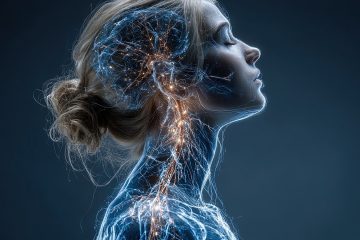
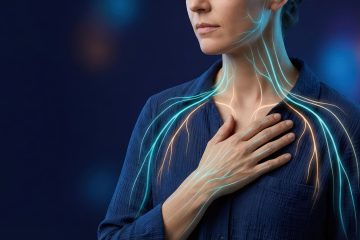
In a therapeutic setting, we encourage individuals to mindfully track these internal sensations. Research shows that this specific type of internal vibration stimulates the vagus nerve, helping to down-regulate a stressed nervous system and activate the parasympathetic “rest and digest” state. By engaging this sensory-motor pathway, we can help people gently anchor themselves back into their bodies, rebuild somatic boundaries, and reconnect safely with their physical sensations.
[Sound/Vocalization] ➔ [Physical Vibration] ➔ [Vagus Nerve Stimulation] ➔ [Parasympathetic Activation (Rest & Digest)]
Self-Healing and the Mind-Body Connection
Indigenous cultures have long recognized that processing trauma requires holistic pathways rooted in spirituality, expression, and social engagement. Take the Gyoen monks, for example: they practice vocal chanting not only as a meditative discipline but as a functional self-healing tool. Their practice explores how targeted frequencies can impact specific organs.
Hypothetically, if a particular frequency influences the physical vibration of an organ like the liver, could it also positively influence its local nerve supply or optimize blood flow to the tissue? While more rigorous clinical research is required to fully map out these specific internal pathways, this hypothesis underpins much of traditional vibrational medicine. In my own clinical and personal journey, I have explored these specific frequencies firsthand. The practical impact is undeniable—they truly have the capacity to shift how we feel.
The Emotional Landscape of Pain and Recovery
Beyond the physiological mechanisms, we must look at the vital role of the emotional experience. Pain is rarely just a physical sensation; it is deeply intertwined with our emotional state. Conversely, things that bring us joy and connection are inherently therapeutic.
A close colleague of mine, a music composer, observed a striking trend: his students’ academic performance improved across the board when they became deeply passionate about their music. They weren’t just studying cold, black notes on a white page; they were engaging with the music emotionally and empathetically. There is an extraordinary, restorative power in music in all its forms. Singing causes an immediate shift in our affect; it brings a smile to our faces and alters our internal state. Whether it is attending a live gig, dancing, or singing in a crowd, we walk away feeling vibrant and alive.
Our thoughts, emotions, and physical well-being exist in a continuous, reciprocal loop. If a positive shift in our mindset can ease bodily tension, then anything that moves us on an emotional level and makes us feel good must be considered a valuable asset to our health. Given this profound link between emotion and the nervous system, sound and music therapies hold immense, untapped potential for those living with chronic pain, illness, and persistent health challenges.
Find our more about how therapies at the Grange can help you recover from your chronic pain condition: https://thegrangehealth.com/trauma-physio/